



RAN – an immersive installation about the dark side of 1760s Bohuslän
Emma Stüffe, Aviwe Apleni, Anna Maria Joakimsdottir-Hutri, Jesper Cederholm & Ylva Olsson / Sweden & Finland
In a haunted coastal village of 1760s Sweden, a woman accused of witchcraft must be saved—or condemned—by the audience themselves in an immersive AI-driven reckoning with history, silence, and civil courage.
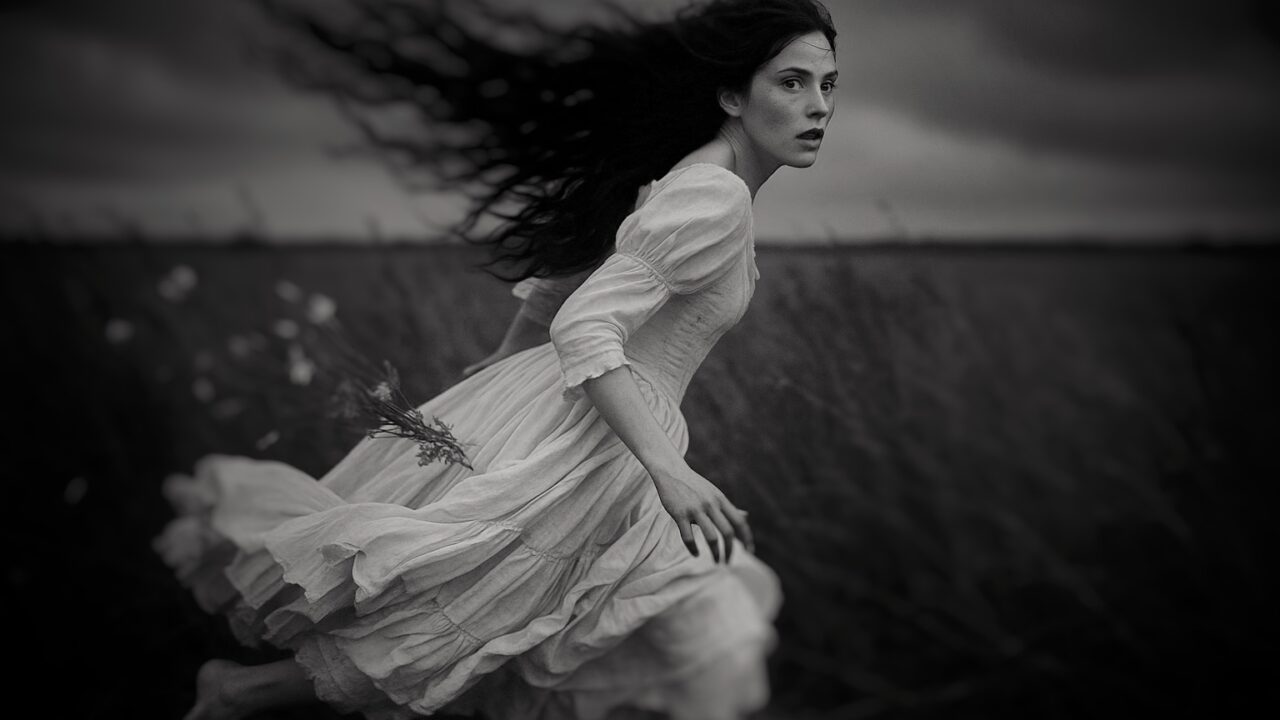
RAN is an immersive, interactive visual narrative installation set on the Swedish West Coast in the 1760s, a time of piracy, superstition, and the rise of the Herring Barons. At its center is Anna, a Finnish immigrant woman whose husband has vanished under mysterious circumstances. Alone with her children, she struggles to survive in a coastal community gripped by fear and patriarchal control.
Anna is a healer, using herbs, rituals, and knowledge passed down through generations but her difference makes her dangerous in the eyes of the village. Accused of witchcraft, she becomes a scapegoat for deeper social tensions and hidden crimes. As her fate draws near, the audience is placed in a morally charged position: Will they intervene or stay silent?
The installation unfolds in a 360° space where sound, light, and visuals respond to audience behavior. Sensors track movement behaviour of the audience, triggering shifts in environment and narrative. Historical landscapes breathe and shift, and characters appear or vanish depending on presence and interaction.
The experience is slow, atmospheric, and accumulative. Visitors uncover Anna’s story not through exposition, but through mood, fragments, and proximity. Over time, they are drawn into her world until, in the final act, they embody villagers watching history repeat itself unless they choose otherwise.
RAN merges archival research, spatial design, and AI technology to create a living history not to simulate the past, but to force a confrontation with timeless questions: What makes us complicit? When do we speak up? And what happens if we don’t?