



PANDORA
Julie Sanchez, David Laposi, Najla Barouni, Julie Sanchez & David Laposi / Héloïse Noé & Carole Mirabello / France
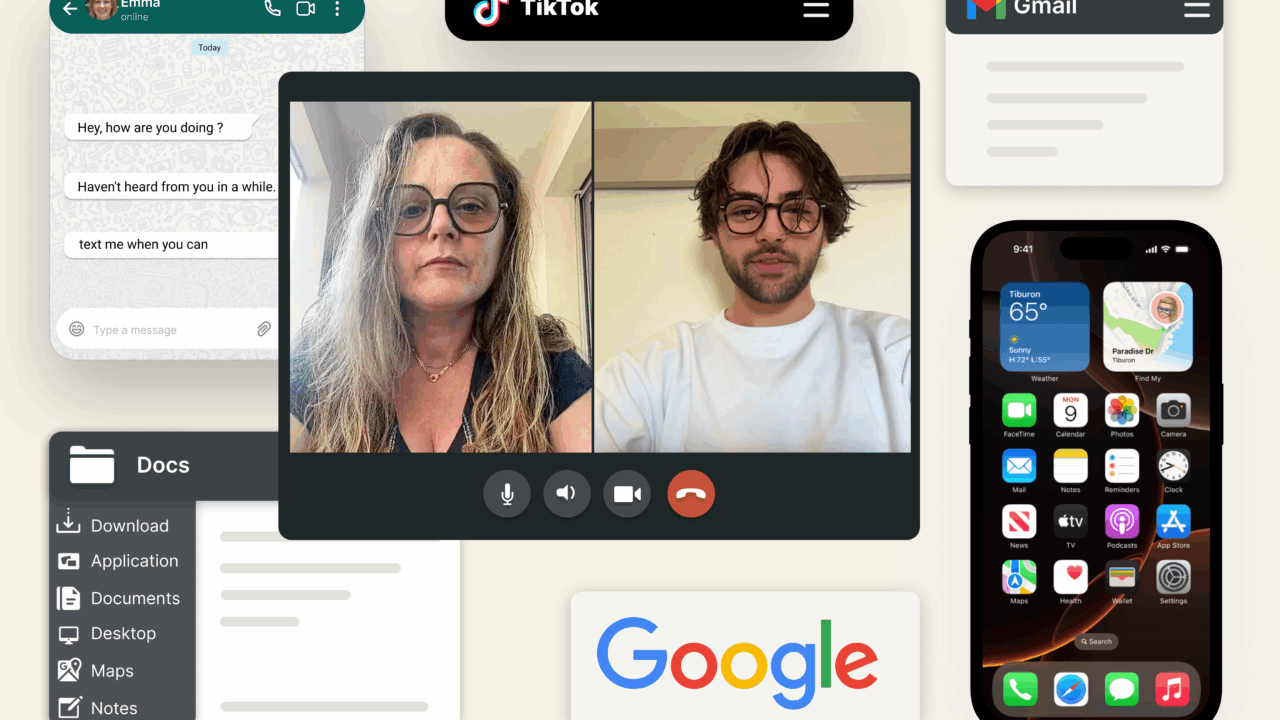
An interactive phone-based film app where viewers enter the phones of five real Gen Z characters. Across 20 chapters, we uncover their online lives through their digital footprints (texts, searches, voice notes, scrolling) revealing what they show, what they hide, and how mental health runs underneath it all.
We enter the app and gain access to their phones, navigating recreated smartphones built from real material gathered over months: screen recordings, social activity, messages, searches, notes, photos, voice notes, so everyday digital reflexes become narrative.
Each journey begins with a short presentation video filmed offline, introducing the person behind the screen: their voice, their environment, the people around them, what they want, what they carry. Then the phone unlocks and the experience moves fully into their digital life.
Structured as 20 immersive chapters, PANDORA follows a storyline rooted in true events while keeping navigation open at all times. We can jump between apps, return to the home screen, follow a thread, ignore a notification, switch characters, or explore side paths. The story doesn’t change: our way into it does.
Their online lives fill the screen: friendships, love, family pressure, ambition, money stress, identity, humor, desire. Running underneath, mental health is present in what the phone reveals: patterns, silences, coping habits, impulses, contradictions between what is shared and what is felt. We also document their online therapy journey: individual sessions and a group process bringing all five together: often the first time they ever try therapy. Therapy won’t appear as “therapy scenes”; instead, its impact becomes visible through what surfaces on the phone: videos where they speak about it, evolving selfies, voice notes, changing routines, subtle shifts in tone and confidence. Mental-health content may also appear inside the phones through short therapist reels and psychologist-led podcast moments, offering context without turning the experience into a lesson.
PANDORA turns the smartphone into a living archive of a generation: and a mirror for the viewer. As we navigate these devices, we witness identity being built in real time: performed, protected, edited, leaked. The experience shifts our gaze from content to signals: habits, silences, repetitions where mental health can become visible without being named: avoidance, sudden reach-outs, bursts of connection, abrupt absences.
In the end, the phone is not only a window into their stories, but a way to reconsider our own. If a device can map a life so precisely, what does our own digital footprint say about how we’re really doing?