




Weathering Forms
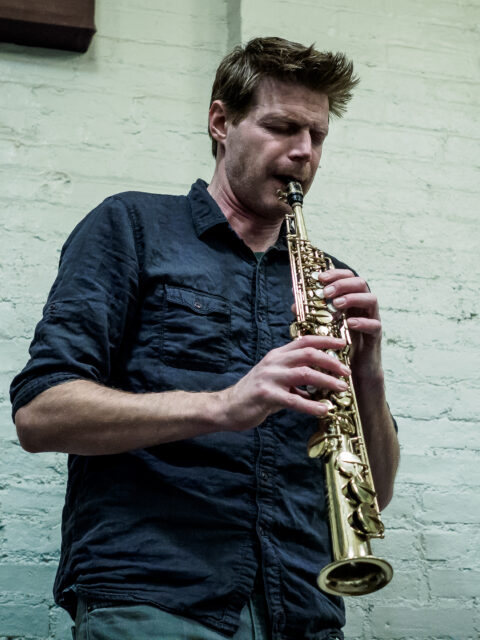
Chloé Reymond & Torben Snekkestad / Perrine Feminier / France & Norway
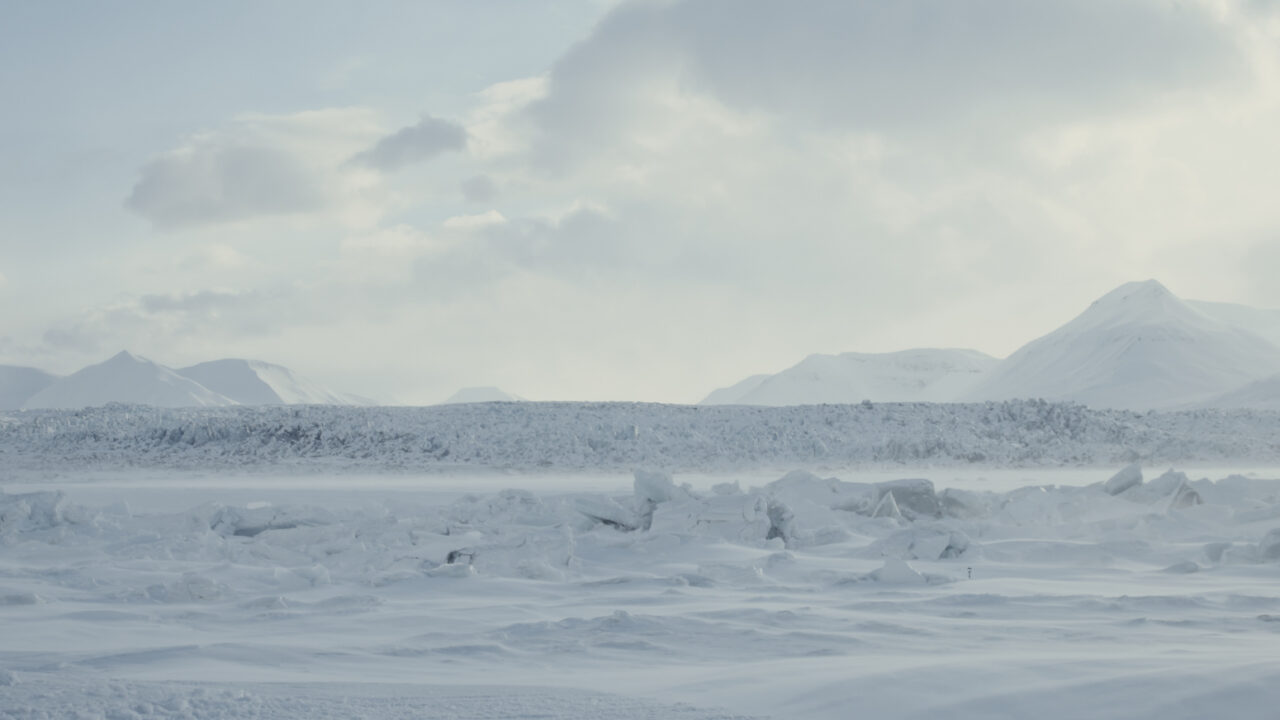
In Svalbard, a group of musicians and glaciologists travel across glaciers to record their sounds. Back in town, they realize the glaciers have altered the way they listen to their world.
The journey begin inside the glacier. Through images filmed in Svalbard and recordings captured within and beneath the ice, the glacier gradually emerges not as a landscape but as a living body. Rumblings, fractures, water flows, and seismic vibrations reveal an environment in constant transformation. Seasons pass. The glacier breathes, deforms, melts, and reforms. As temperatures rise, its internal movements intensify. Water penetrates deep into the ice, crevasses widen, and fragments break away.
The second movement follows a series of expeditions conducted by musicians and glaciologists from Glacier Lamentation group across the Arctic. Entering caves, deploying sensors, and listening to the hidden sounds of the ice. Scientific observation and artistic improvisation begin to overlap. Through fragments of testimony, glaciologists describe the seasonal cycles of glaciers and the disruptions caused by climate change, while musicians transform field recordings into a shared listening experience. The third movement shifts the focus toward human presence. In Longyearbyen, Svalbard’s northernmost settlement, scientific infrastructures, energy systems, industrial sounds, and everyday life appear as part of the same environment. Data, machines, voices, and urban rhythms intertwine, revealing the complex relationships between humans, technology, and the landscapes they inhabit. Then we gradually abandon images and return to listening. Glacier sounds give way to sounds from within the human body, creating a sensory bridge between geological and biological processes.