




CPH:INDUSTRY 2026 announces CPH:CONFERENCE & CPH:DOX SUMMIT full lineups
CPH:INDUSTRY 2026 unveils the full CPH:DOX SUMMIT & CPH:CONFERENCE programme (March 16–19), tackling the 'infrastructure of truth' under political pressure, platform power, and AI disruption. Anchored by the Summit's focus on "Safe Havens" – independent spaces where voices circulate without algorithmic suppression and outside pressure – the programme extends into Conference sessions exploring ethics, sonic cinema, and future alliances. Featured speakers include John Wilson, Sara Dosa, Sinéad O'Shea, Poh Si Teng, Joe Bini, Irma Dimitradze, Bea Wangondu, Tracy Rector, Adam Khalil, Nathan Grossman, Hira Nabi and Keith Wilson amongst others.
Monday 16th Feb 2026
“We see the CPH:CONFERENCE and CPH:DOX SUMMIT as a moment to come together and reflect on the deep changes and challenges we need to tackle head on as an industry. This year’s programme serves as a hub for bold conversations on challenging conglomerates power over content, securing ‘safe havens’ for independent voices, looking at AI as a tool and redefining our relationship to it. Through hands-on discussions and insights from industry leaders, the programme promises to spark fresh ideas and equip filmmakers with tactical tools to bypass algorithms and resist censorship amongst other things,” says Mara Gourd-Mercado, Head of Industry & Training at CPH:DOX.
CPH:DOX SUMMIT 2026 (Monday, March 16): ‘Media Sovereignty: Rethink, Envision, Redefine’
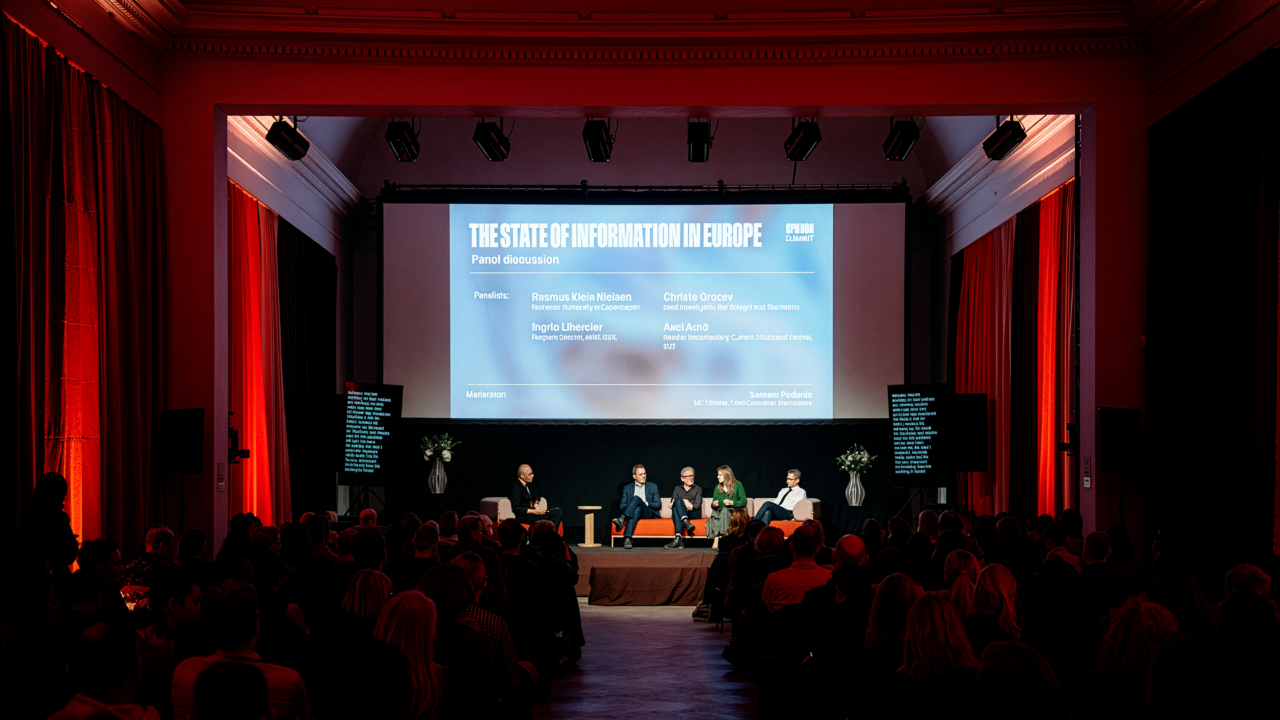
On Monday CPH:INDUSTRY will be in full swing with the CPH:DOX SUMMIT, a strategic response to Europe’s democratic recession, presented in collaboration with ARTE. Curated by Mark Edwards (independent producer), Danielle Turkov Wilson (founder & CEO, Think-Film Impact Productions), and Sameer Padania (independent researcher), and hosted by Beadie Finzi (producer), the Summit moves beyond diagnosis to redefine media sovereignty in an era of U.S. platform dependence. By bridging the gap between investigative journalism and film, these discussions offer documentary professionals concrete lessons on adaptability and solidarity from media ecosystems operating under immense pressure.
Opening with a keynote by Bruno Patino (President, ARTE France), the programme confronts a public-interest media infrastructure that is effectively ‘melting.’ The first session, ‘The Act of Building: New Infrastructure for Information Ecosystems Under Siege,’ examines how concentrated platform power, opaque algorithms, and information warfare are driving the need for new digital, financial, and physical infrastructures that documentary and media makers can defend and rebuild. This urgency flows into ‘To be seen or not to be seen, that is the question: the strategies we will need to connect, engage and inspire citizens in 2030,’ a forward-looking strategy session on how independent creatives and distributors can combine forces to ensure vital stories still reach citizens in 2030, despite constrained access and rising misinformation.
The Summit concludes with ‘Tales from the Frontlines,’ featuring Joanna Krawczyk (journalist, Correctiv.Europe), Irma Dimitradze (journalist, Georgia), and Bea Wangondu (journalist/ director, ‘Kikuyu Land’). These practitioners share tactical approaches for resisting censorship and utilizing grassroots innovations – from AI-powered fact-checking to cross-border partnerships – to restore trust and protect local democracy.
CPH:CONFERENCE Day 1
Tuesday, March 17


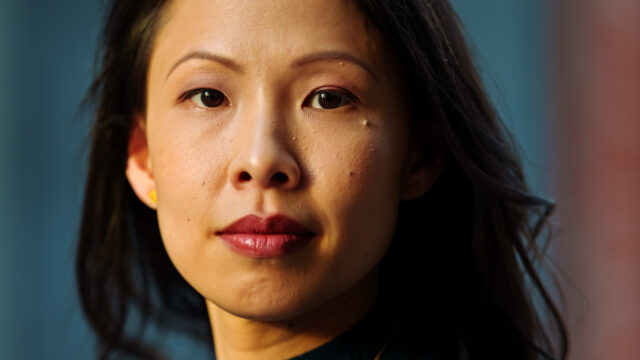
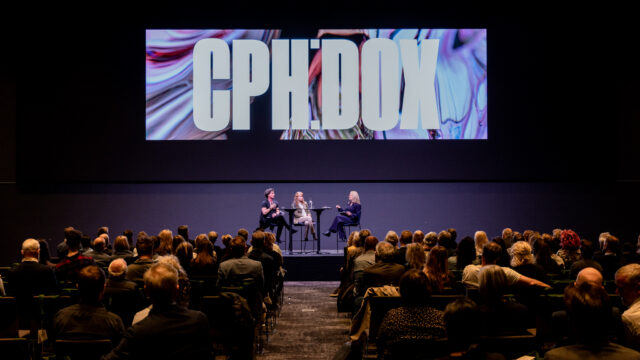
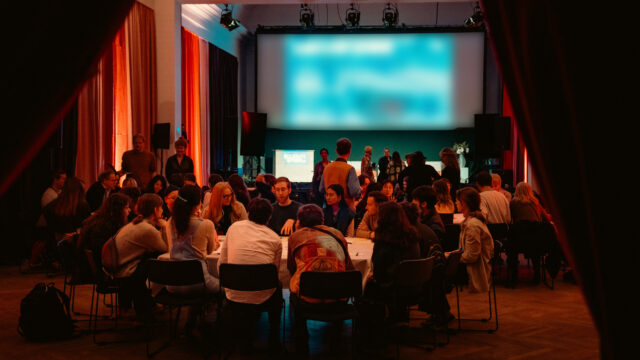
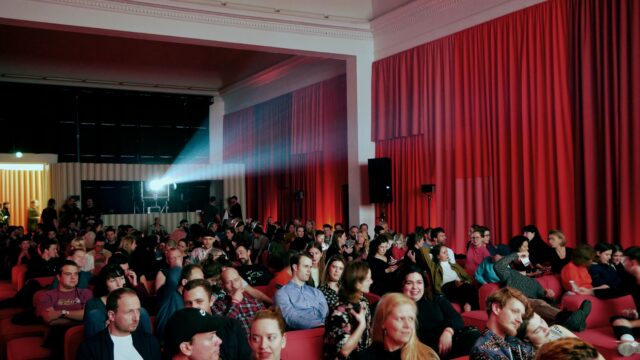
Day 1 opens with ‘A Morning With: Poh Si Teng‘, dissecting the ethics of directing in conflict zones via her debut ‘American Doctor’, moderated by Thom Powers (Pure Non-fiction). Following this, the programme explores the making of ‘Time and Water’ in a conversation with Sara Dosa (director), Shane Boris (producer), and Carolyn Bernstein (Executive Vice President, Documentary Films at National Geographic), moderated by Anthony Kaufman (journalist). Shifting from the visual to the visceral, ‘The Art of Listening’ then explores how sonic cinema can unlock radical empathy, featuring filmmakers Hira Nabi (director, ‘They (no longer) remember’), Onyeka Igwe (director, ‘Penkelemes’), and Anne Gry Friis Kristensen (director, ‘ti y l tt e dr ps of sp c ‘), moderated by Luke W. Moody (Head of the BFI Doc Society Fund).
The afternoon session ‘What Is Truth Anyway’ confronts the structural crisis of reality with Joe Bini (writer, editor, filmmaker) and Sofie Hvitved (Head of Media at the Copenhagen Institute for Futures Studies), moderated by Tabitha Jackson (Director of Film Forum, NY). The day continues with ‘From Prompt to Protocol: The Making of DoxAI,‘ a workshop facilitated by the Atmospheric Intelligences Initiative and Doc Society, moderated by Diego Galafassi (Director, Climate Story Lab Nordic), that invites the doc community to a speculative design exercise for an AI system grounded in shared values. The programme then expands into new storytelling forms with ‘Multi-Sensory Storytelling,’ moderated by Mandy Rose (Professor, UWE Bristol), exploring immersive formats that engage smell, touch, and positional awareness to move documentary beyond the screen together with Ali Adjorlu (Associate Professor, Aalborg University).
CPH:CONFERENCE Day 2
Wednesday, March 18
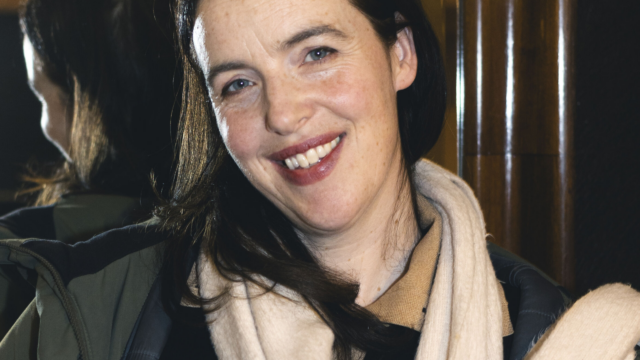
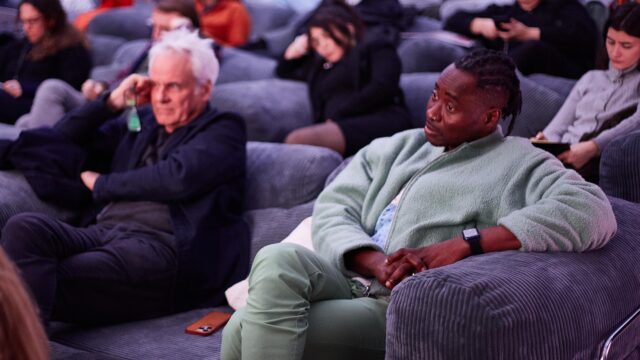
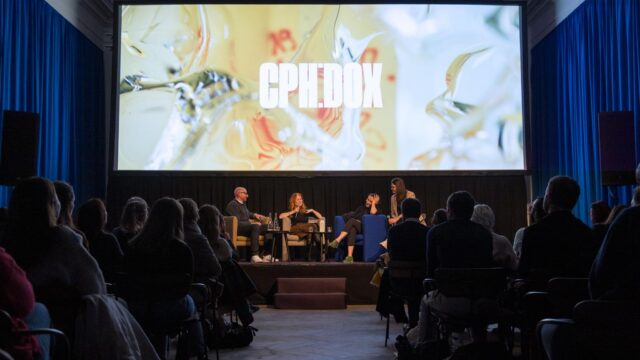
Day 2 begins with ‘A Morning With: Sinéad O’Shea‘, before shifting to challenge the status quo of film language. The session ‘Constructing Your Own Cinematic Language’ features the ‘Jaripeo’ team, directors Efraín Mojica and Rebecca Zweig, on crafting queer, hybrid aesthetics in rural settings, moderated by the film’s co-producer Elena Fortes.
It then continues with ‘Rekindling the Machine – Documentary in the Age of AI’, a panel that examines how filmmakers can move from “users” to “architects” of human-centric storytelling, facilitated by Doc Society and the Atmospheric Intelligences Initiative together with Marc Silver (director, ‘Molly vs. The Machine’)
Widening the lens from individual craft to collective narrative responsibility, ‘We’re All Doomed – Can Hope Survive the Permacrisis?’ asks if we can tell dystopian stories that foster solidarity instead of despair. Bryan Yazell (Associate Professor, University of Southern Denmark), Pierre-Christophe Gam (artist, architectural designer) and Maisha Wester (professor in American Cultural Studies, Black Diaspora Studies, Film Studies and Gothic literature) lead this debate on how we face the future together, moderated by Jamie Perera (composer, sound artist and producer)
Following this, ‘What’s Next? Future Perspectives on the Shifting Eco-System of the Creative Documentary’ addresses the end of the recent golden age of creative documentaries. This conversation will seek to identify and unpack the different dynamics at play with a view to understanding what is in store for the future of the funding, financing and circulation of independent nonfiction filmmaking together with Barbara Truyen (Executive Producer, EPIC Docs), Chris White (Executive Producer, American POV), Jon-Sesrie Goff (Program Officer, Ford Foundation), and Andreas Møl Dalsgaard (CEO, Elk Film).
The day wraps up on a dynamic note as Keith Wilson (producer, artist and director) presents ‘Plane of Losers’, a live documentary performance that questions the awards-industrial complex and offers a fresh perspective on success, prioritizing community over competition.
CPH:CONFERENCE Day 3
Thursday, March 19
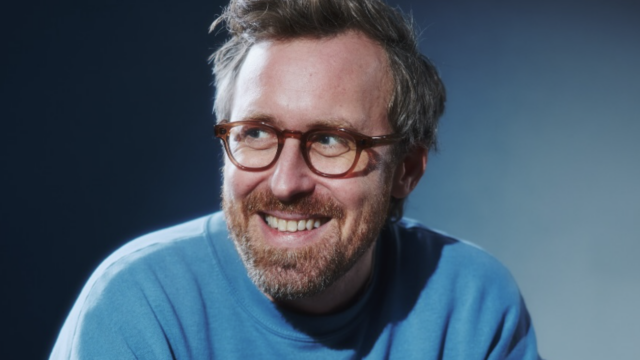
Day 3 of the Conference begins with HBO cult icon John Wilson, known for his unique stream-of-consciousness style in ‘How to with John Wilson’. In conversation with Thom Powers, Wilson will discuss his dry wit and eclectic approach to his latest feature, ‘The History of Concrete’. The focus then shifts to ‘Updated Reflections on Contemporary Palestinian Documentary Filmmaking’ where members of the Palestinian delegation Ashtar Muallem, Dalia Al-Kury and Kinda Kurdi discuss how diverse cinematic approaches to historic Palestine can heal trauma and act as cultural resistance against erasure.
The afternoon continues with ‘Liberatory Image-Making: New Perspectives on Sovereignty and Futurity in Indigenous-Led Nonfiction Cinema’, exploring the future of indigenous-led non-fiction. Moderated by Emile Hertling Péronard (film producer), speakers Tracy Rector (Executive Producer at Deenaadai), Johannes Ujo Müller (‘Our Flag’) and Adam Khalil (filmmaker, artist) discuss how indigenous communities determine their own cultural manifestations on screen, while Inunnguaq Petrussen (CEO, Greenlandic Film Institute) gives a presentation about the newly established and highly anticipated Greenlandic Film Institute and the current situation in Greenland, highlighting the importance of narrative sovereignty.
Finally, ‘Position, Privilege and the Epistemic Power of the Gaze: Towards Narrative Positionality’ examines the ethics of narrative positionality with Nathan Grossman (director, ‘Amazomania’), Tess Sophie Skadegård Thorsen (Consultant and Media/Tech Ethics Expert), and Kiyoko McCrae (Program Director, Chicken&Egg), moderated by Leonard Cortana (Inclusion & Partnerships Manager, EURODOC). The session asks filmmakers to consider how their closeness or distance to a subject – and their relationship with the people filmed – shapes the story they tell and the on-screen representation of those people.
Discover more about the full CPH:DOX SUMMIT programme here and about CPH:CONFERENCE here as more speakers are being announced.