




Atlas of Disappearance
Manuel Correa / Spain & Norway / 2026 / World Premiere / 84 min
On the trail of the earthly remains of the victims of Franco's regime in a film that combines modern technology and paper archives in a historical investigation based on the director's own research through Forensic Architecture.
In Spain, there are still people searching for the remains of family members who disappeared during the Franco regime’s fascist reign of terror. We meet three of them on a complex and human journey that confronts the bureaucratic, legal, and social obstacles that still exist.
Over a period of more than twenty years, the Franco regime quietly orchestrated the exhumation and transport of more than 33.000 bodies from mass graves throughout Spain to El Valle de los Caídos, the monumental mausoleum built to glorify the fascist victory.
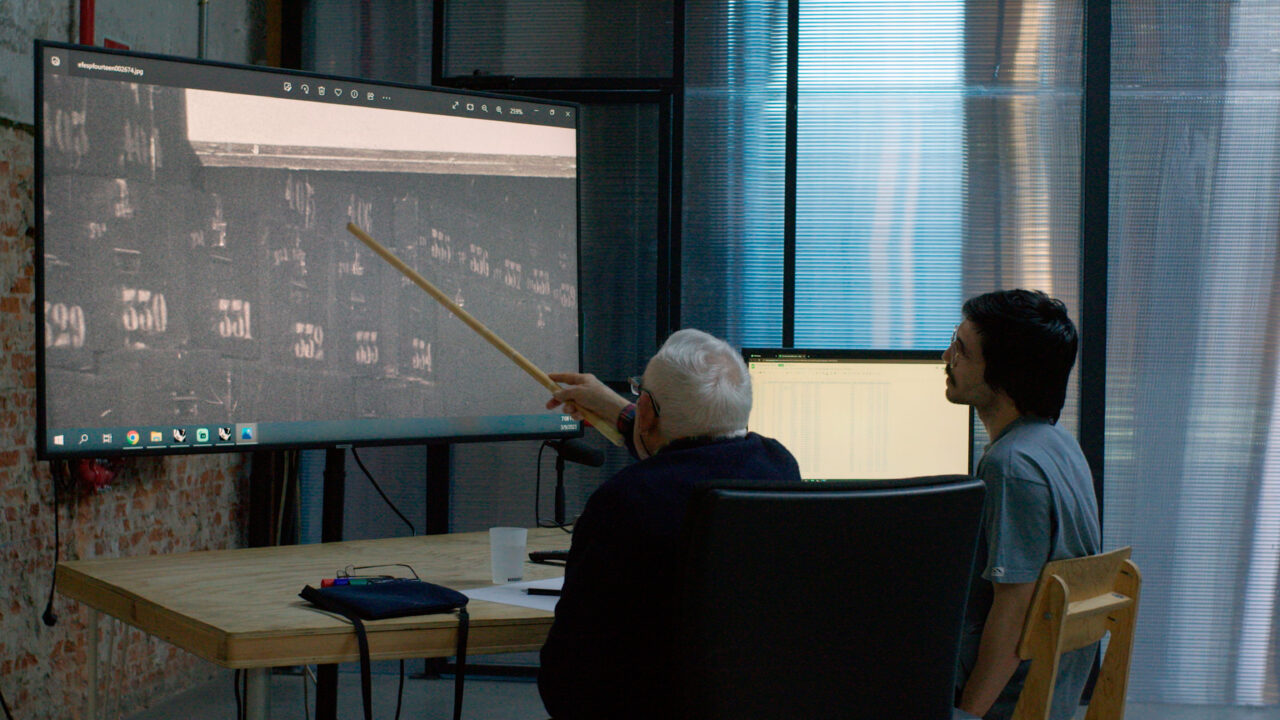
Drawing on director Manuel Correa’s own research within the international organization Forensic Architecture, the film uses digital maps, citizen archives, and new forensic technologies to reconstruct what oblivion and oppression sought to conceal. The families have preserved archives about the disappearances. Documents, letters, and memories that bear witness to both personal loss and the systematic destruction of evidence, but which at the same time insist on the dignity that the victims were deprived of.